
Arnaud Chiolero
(SSPH+ / University of Fribourg)
All parallel sessions on Day 1 are from 14:00 to 15:00. Full program is available here.
Arnaud Chiolero
(SSPH+ / University of Fribourg)

Ann Walser
(SSPH+ / University of Fribourg)
IGC Students Meeting with speed talks and celebration of our new IGC alumni
Hosted by Arnaud Chiolero (SSPH+ Academic Co-Director / University of Fribourg) and Ann Walser (SSPH+ / University of Fribourg)
Note: For IGC PhD and MD Students, and new IGC Alumni
Location: Room E230 (2nd floor)

Von Wyl
(SSPH+ / University of Zürich)

Jorgen Bauwens
(SSPH+)
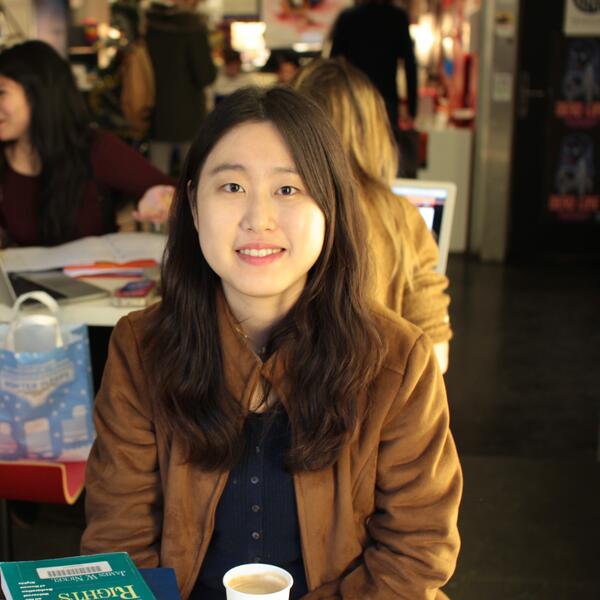
Yejin Lee
(University of Geneva, Institute of Global Health)
AI in Health Promotion: Navigating Opportunities, Integrity, and Trust
by Von Wyl (SSPH+ Academic Director / University of Zürich) and Jorgen Bauwens (SSPH+)
A workshop exploring the transformative potential of AI in health promotion while addressing the meeting's core theme of scientific integrity and public trust. Drawing on diverse SSPH+ community proposals on AI in health promotion, we will examine a range of AI applications. The workshop will focus on the tension between innovation and ethical responsibility, discussing governance frameworks, bias mitigation, and data transparency. The objective is to explore conditions for "Responsible AI in health promotion" that safeguard population health and maintain societal trust in scientific advancements.
&
Beyond Personal Data: Redefining Health Data for Population Health and AI
Yejin Lee (University of Geneva, Institute of Global Health)
Current definitions of “health data” tend to be narrow and static, centred on personal and sensitive information in clinical contexts. This session broadens the lens: we compare international, regional and national definitions and show how mandates and objectives shape what “counts” as health data. We argue that protecting population health in an AI and big-data era requires including non-personal health data, such as social determinants and population indicators, within a coherent conceptual frame.
Location: Room D230 (2nd floor)

Joyce Haddad
(BFH)
Using Evidence-Based Culinary Nutrition to Reduce Reliance on Ultra-Processed Foods
by Joyce Haddad (BFH)
This session explores how culinary nutrition can offer practical, evidence-based strategies to reduce reliance on ultra-processed foods (UPFs). Protecting the foundations of science is essential in a polarised UPF debate, ensuring that the public receives accurate, actionable guidance instead of fear-based messages. The session will acknowledge critiques of the UPF concept, not to dismiss concerns, but to illustrate how scientific integrity can be maintained while translating evidence into practice. By combining rigorous evidence with practical cooking and food-literacy skills, the session will lead to participants thinking about clearer communication strategies, stronger behaviour-change approaches, and practical ideas for developing trustworthy, nuanced interventions that protect population well-being.
The session will include two short expert inputs: (1) an evidence overview on UPFs and scientific integrity in nutrition research; and (2) culinary nutrition strategies that build practical food skills, strengthen food literacy, and offer realistic alternatives to UPF-heavy eating patterns. A moderated group discussion will explore how to communicate UPF evidence responsibly while designing interventions rooted in everyday cooking competence. Participants will apply a simple message-framing tool to develop clear, non-polarising nutrition messages. The session concludes with shared takeaways on integrating evidence-based culinary approaches into public health practice.

Nino Künzli
(SSPH+)
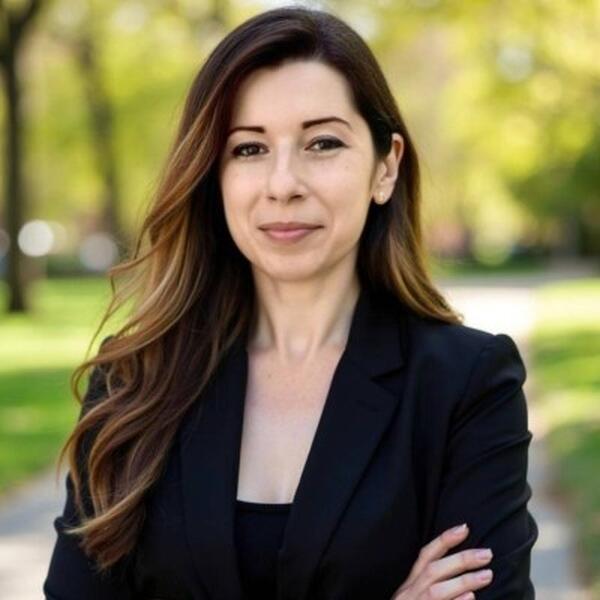
Marie Soulière
(Frontiers)

Bernhard Sabel
(Otto-von-Guericke-Universität Magdeburg)
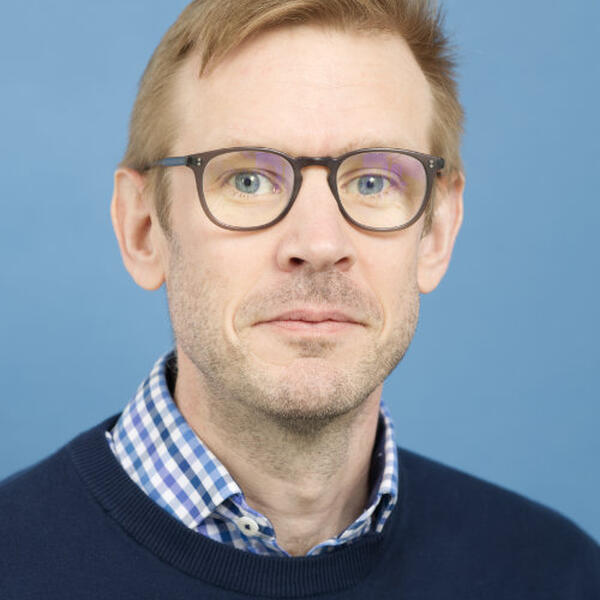
Christopher Woodrow
(Swiss TPH)
Fraud in scientific publishing: how can it be prevented?
This session focuses on strategies to prevent the publishing of fraudulent submissions – such as paper mill manuscripts – in the SSPH+ journals. First, participants will get insights into the current approaches and challenges of the publisher of our journals (Frontiers Media). Second, the rationale to call for identification of fraud led by independent authorities instead of publishers will be outlined, as promoted by the Stockholm Declaration. Third, the audience will discuss these possibly conflicting erspectives.
Program
You can join online!


