Dima Touhami
(University of Luzern)
All parallel sessions on Day 2 are from 09:00 to 10:00. Full program is available here.
Dima Touhami
(University of Luzern)
Postdoc & Project Manager: Collaborating with people and managing projects
by Dima Touhami (University of Luzern)
This workshop is organized by the SSPH+ Postdoc steering committee. It is designed to support postdocs in translating their experience into roles that require project management skills and to understand practical steps for transitioning into roles outside of research. Special attention is given to strengthening skills for management of people and projects across various contexts.
Note: For late SSPH+ PhD Students, postdocs and IGC Alumni
Location: Room E230 (2nd floor)
Andreas Stoller
(University of Fribourg)
Janik Mutter
(Reatch)
How to Engage with the Public and Politics as Scientists
Speakers:
Higher education and research are facing increased financial pressure from federal and cantonal governments, for example, the relief package EP27. In light of these developments, excellence in research and teaching is no longer enough. Scientists must engage with the public and political world, demonstrating the value of science and fostering public trust to secure its future. Therefore, this parallel session focuses on how scientists can effectively engage with the public and political spheres.
Participants will learn to:
Location: Room D230 (2nd floor)
Federico Germani
(University of Zurich)
Infodemics and the challenge of misinformation for public health
by Federico Germani (University of Zurich)
This session explores how misinformation circulates in contemporary information ecosystems and how it shapes people’s responses to healthrelated content. Drawing on recent research and practice in infodemic management and public-health ethics, participants will learn why false or misleading claims spread, how to deal with communication in contexts of crises, and strategies can improve resilience and public health outcomes. By the end of the session, participants will be able to recognize common patterns in mis- and disinformation, assess the ethical dimensions of intervention strategies, and apply evidence-based approaches to strengthen trust and information literacy during health crises.
The session begins with a clear introduction to how misinformation emerges and gains traction during health crises. I will guide participants through real examples to analyse why certain narratives resonate, how information gaps fuel confusion, and where communication efforts often break down. Participants then work through practical tools used in infodemic management, such as social listening tools to detect misinformation, as well as community engagement-based strategies to understand people’s concerns, to understand how these approaches can be applied in practice. We conclude the session with an open discussion focused on translating the session’s insights into concrete, evidence-based communication strategies.
Location: Room F207 (2nd floor)
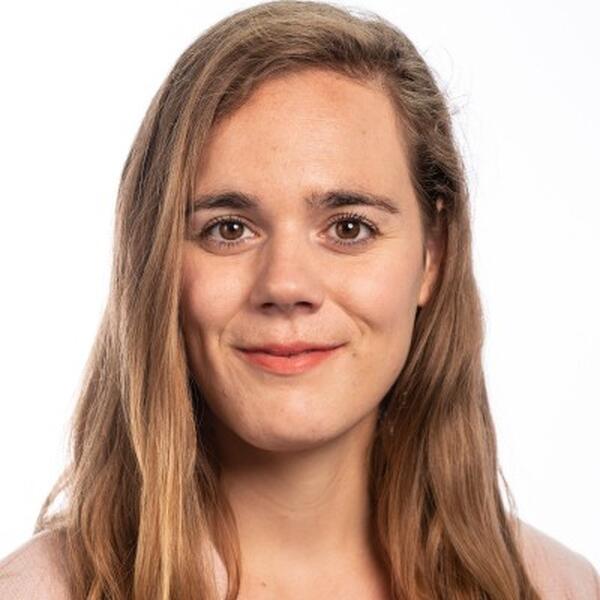
Christelle Oltramare
(University of Lausanne, Unisanté)
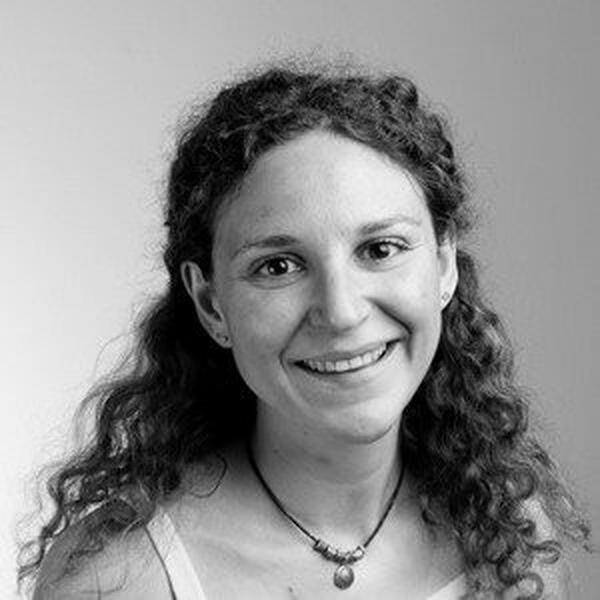
Aurélie Berthet
(University of Lausanne, Unisanté)
Interdisciplinary approaches to scientific integrity - Lessons from the management of industrial pollution for public health
by Christelle Oltramare and Aurélie Berthet (University of Lausanne, Unisanté)
This session will explore strategies for enhancing interdisciplinary collaboration to uphold scientific integrity and strengthen public trust in health decisions. Participants will discuss best practices for promoting transparency and accountability in research, involving diverse stakeholders to support societal health and well-being.
The session will consist of a 60-minute round table featuring four experts from diverse disciplines (science, law, sociology, citizen associations) who will each present a 10-minute case study on industrial pollution (e.g. dioxins, PFAS, heavy metals, particles), highlighting strengths and limitations. These presentations aim to provide multiple perspectives and identify common challenges. Following this, a 20-minute interactive discussion with participants will address key questions to formulate recommendations for ensuring scientific integrity in supporting public health decisions.
Location: Room E040 (Ground floor)


